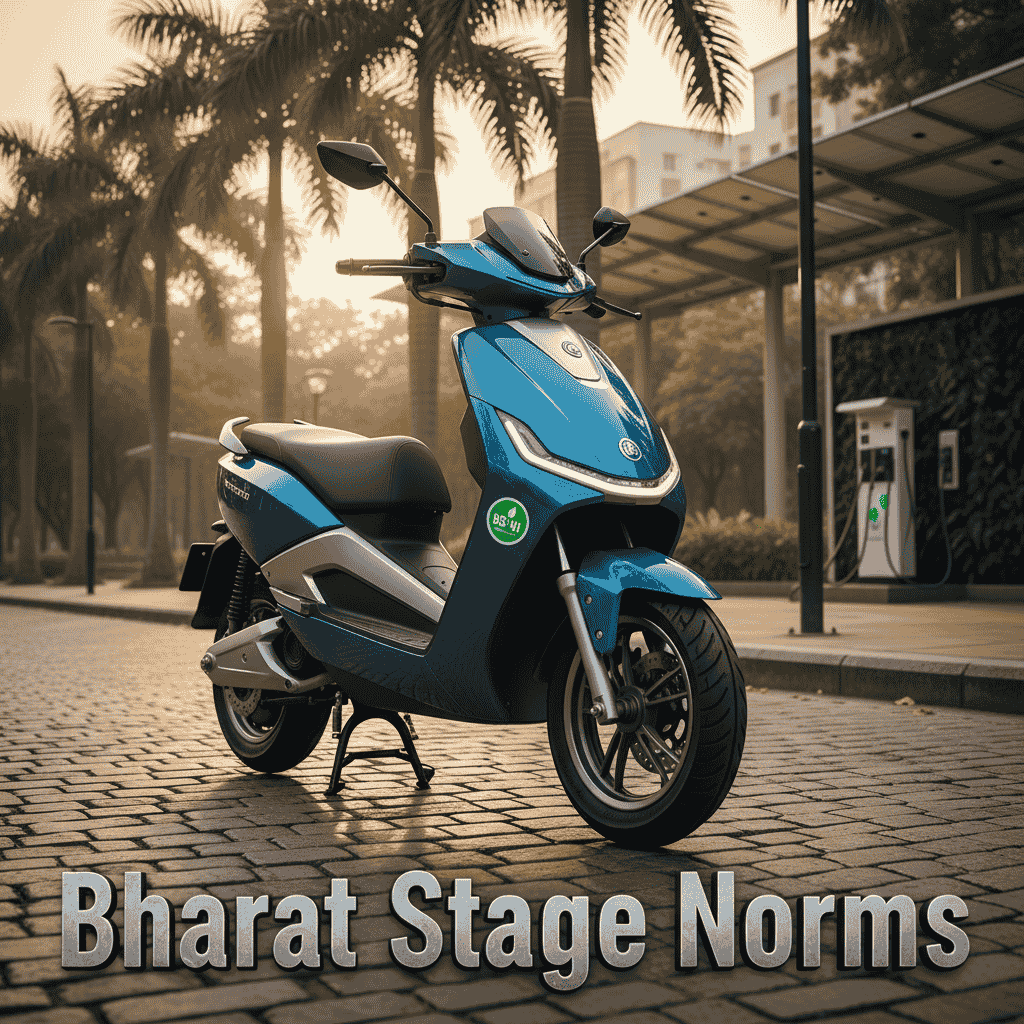
Bharat Stage Emission Standards for Two-Wheelers: Everything You Need to Know
India’s journey to cleaner air and greener mobility would be incomplete without mentioning Bharat Stage (BS) Emission Standards, especially for its vast population of two-wheeler owners and buyers. Whether buying, selling, or maintaining bikes on platforms like mh24.in, understanding these norms is essential for compliance, environmental responsibility, and informed decision-making.
What are Bharat Stage Emission Standards?
Bharat Stage Emission Standards (BSES) are regulatory measures set by the Government of India to limit air pollutants from internal combustion engines. These standards, implemented and updated by the Central Pollution Control Board under the Ministry of Environment, Forest and Climate Change, align closely with European emission standards but are adapted for Indian conditions.
When a new Bharat Stage norm is enforced, it becomes mandatory for manufacturers to produce, sell, and register vehicles that meet these stricter emission limits, including all two-wheelers across India.
Evolution of Bharat Stage Norms for Two-Wheelers
India introduced Bharat Stage I (BS-I) in 1999. Since then, several stages have come into effect, progressively reducing allowed emissions from vehicles:
- BS-I (1999): The first step toward emission control, focusing on major urban centers[1][6].
- BS-II (2001-2005): Extended restrictions on pollutants and required widespread adoption of advanced fuel injection systems.
- BS-III (2010): Introduced sulfur limits and capped emission levels for major gases like CO, HC, and NOx.
- BS-IV (2017): Enforced nationwide; further reduced permissible pollutants, mandated OBD (on-board diagnostics) for improved compliance.
- BS-VI (2020): India leapfrogged BS-V, aligning directly to Euro 6/VI standards, with a dramatic tightening of emission limits and advanced monitoring.
How Bharat Stage Standards Affect Two-Wheelers
Every Bharat Stage revision brings stricter limits for harmful exhaust gases, including:
- Carbon Monoxide (CO): Poisonous colorless gas.
- Hydrocarbons (HC): Contribute to smog formation.
- Nitrogen Oxides (NOx): Cause respiratory problems and acid rain.
- Particulate Matter (PM): Fine particles damaging to lungs.
For example, comparing BS-IV to BS-VI for motorcycles:
| Pollutant | BS-IV Limit (g/km) | BS-VI Limit (g/km) |
|---|---|---|
| CO | 1.0 | 1.0 |
| HC | 0.35 | 0.10 |
| NOx | 0.18 | 0.06 |
| PM | Not specified | 0.0045 |
These figures highlight the reduced limits in newer norms and the addition of PM measurement for the first time in BS-VI[2][6][7].
Key Changes Introduced by BS-VI Standards
With BS-VI norms enforced from April 2020, two-wheelers in India underwent several significant changes:
- Advanced Fuel Injection: All bikes now feature fuel injection for accurate fuel delivery, improved combustion, and reduced pollution.
- Better Catalytic Converters: Ensures conversion of toxic gases into safer substances before emission.
- On-Board Diagnostics (OBD): Mandatory for two-wheelers, OBD helps constantly monitor emission controls.
- Tighter NOx and PM Limits: NOx cut by nearly 70%, particulate matter limits introduced.
- Low Sulfur Fuels: Petrol stations supply ultra-low sulfur fuel to support BS-VI vehicles[1][7][2].
Compliance and Benefits
Adhering to Bharat Stage norms offers several benefits to consumers and the environment:
- Cleaner Air: Major reduction in vehicle-related air pollution and smog[1][4].
- Better Public Health: Lowering NOx and PM emissions helps combat respiratory illnesses[5][9].
- Global Standards: BS-VI brings Indian two-wheelers in line with European emission regulations.
- Future-Ready: Vehicles meeting the latest norms may enjoy better resale value and easier insurance processes[2][4].
Bharat Stage and Your Bike: How to Check Compliance
If you are buying or selling a bike on mh24.in:
- RC Details: Check the Registration Certificate for the Bharat Stage mentioned.
- PUC Certificate: Pollution Under Control certificates now also mention compliance details[8].
- Manufacturer Info: Two-wheeler manufacturers will normally display BS compliance (BS-IV, BS-VI, etc.) on the frame or engine sticker.
- Year of Manufacture: Model year 2020 and onwards will usually be BS-VI compliant.
Bharat Stage VII: What’s Next for Two-Wheeler Emission Standards?
India is already working towards Bharat Stage VII (BS-VII), expected to further tighten limits for pollutants like NOx, PM, CO, and even non-exhaust sources such as brake dust. BS-VII will be modeled on EU’s Euro 7, focusing on real-world emission measurements and sustainability[9][3][10].
Impact on Buyers and Sellers
For buyers and sellers on mh24.in, Bharat Stage standards mean:
- BS-VI bikes offer better performance and fuel efficiency.
- Resale value of older, non-compliant models may decline.
- Ensuring compliance avoids legal issues and makes listings more attractive.
- Advertise Bharat Stage standard as a selling point.
Frequently Asked Questions
Q: Can I still register a BS-IV bike in India?
A: No. From April 2020, registration and sale of new BS-IV vehicles is banned. Only BS-VI compliant two-wheelers can be registered[1].
Q: Will my old bike need to comply with new BS standards?
A: Existing vehicles do not retroactively have to meet new norms, but for resale or re-registration, compliance is strictly checked[1][8].
Q: Does BS-VI fuel affect older bikes?
A: BS-VI fuel is backward-compatible, but older engines may not benefit from its cleaner composition.
Conclusion
Understanding Bharat Stage emission standards is crucial for anyone involved in buying or selling two-wheelers on mh24.in. These norms have revolutionized the Indian automotive landscape, making two-wheelers cleaner, safer, and more advanced. As technology and regulations continue to evolve, staying informed ensures smoother transactions and a greener tomorrow.